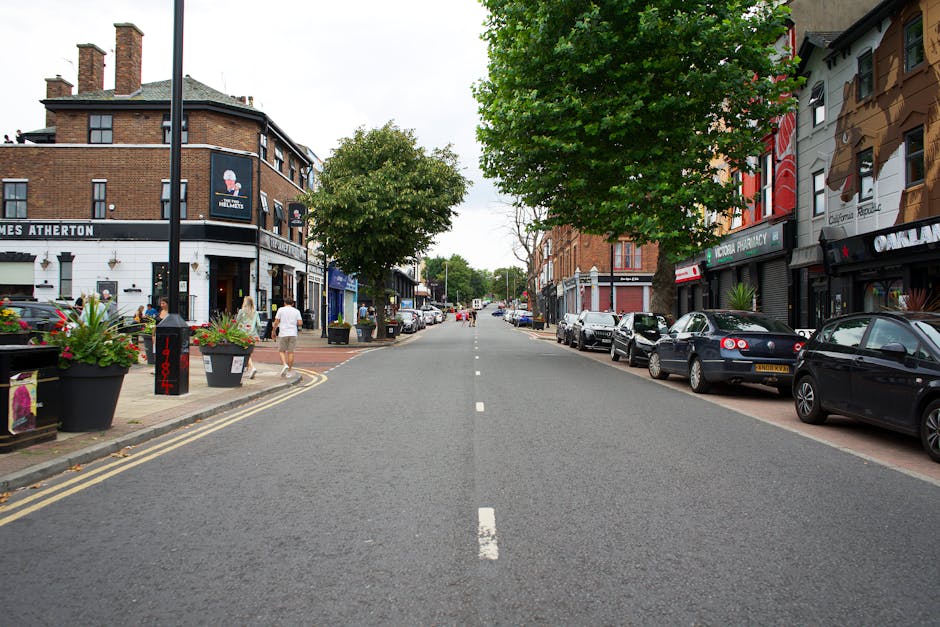
Finchley Central removals guide for narrow streets
If you are moving in Finchley Central, the street can be the real challenge, not the boxes. Narrow roads, parked cars, awkward turns, busy school runs, and that one stubborn sofa that never seems to fit through a doorway can all turn moving day into a bit of a saga. This Finchley Central removals guide for narrow streets is designed to help you plan calmly, avoid the usual headaches, and make sensible choices before the van even arrives.
Truth be told, tight access changes almost everything about a move: vehicle size, loading time, parking, packing order, and how many hands you need on site. The good news? With the right preparation, a narrow-street move does not have to be stressful. It just needs a smarter approach.
Contents
- Why narrow-street removals in Finchley Central matter
- How the move works on a restricted street
- Key benefits and practical advantages
- Who this guide is for
- Step-by-step guidance
- Expert tips for better results
- Common mistakes to avoid
- Tools, resources and recommendations
- Law, compliance, standards and best practice
- Options and method comparison
- Case study or real-world example
- Practical checklist
- Conclusion
- Frequently asked questions
Table of Contents
- Contents
- Why Finchley Central removals guide for narrow streets Matters
- How Finchley Central removals guide for narrow streets Works
- Key Benefits and Practical Advantages
- Who This Is For and When It Makes Sense
- Step-by-Step Guidance
- Expert Tips for Better Results
- Common Mistakes to Avoid
- Tools, Resources and Recommendations
- Law, Compliance, Standards and Best Practice
- Options, Methods, or Comparison Table
- Case Study or Real-World Example
- Practical Checklist
- Conclusion
- Frequently Asked Questions
Why Finchley Central removals guide for narrow streets Matters
Narrow streets create a very specific kind of moving pressure. There is less space to park, less room to manoeuvre, and usually less patience from neighbours, delivery drivers, and everyone else trying to use the road at the same time. That is especially true in a London setting, where one badly parked vehicle can ripple through the whole street.
Why does that matter so much? Because the move is not just about getting items from A to B. It is about doing it without blocking access, damaging property, or turning a straightforward move into a slow, expensive one. In narrow streets, even a short carry distance can become long if the vehicle cannot stop right outside.
Another reason this matters is risk. Corners are tighter, bay windows jut out, kerbs are unforgiving, and reversing a large vehicle into a constrained residential road can be awkward for everyone. A good plan cuts down the chances of scraped walls, scuffed furniture, and the kind of delay that makes a moving crew quietly glance at the clock.
If you want to understand the wider service picture before you book, it can help to look at removal services and the broader range of removals available for home and business moves.
How Finchley Central removals guide for narrow streets Works
The practical process is simple in theory and a little more detailed in real life. First, the access needs to be assessed. Then the right vehicle and crew size need to be matched to the property, the road layout, and the volume of items. After that comes the loading plan: what leaves first, what needs wrapping, and what should stay accessible until the end.
In a narrow street, the removal team often has to think in layers. Can a larger van safely get near the property, or is a smaller vehicle better? Will there be enough space for a safe loading position? Is there a short walk from vehicle to door, and if so, how should fragile items be protected during that carry? These are the questions that separate a smooth move from a messy one.
For many households, a flexible vehicle option makes the biggest difference. A man and van style move can work well when access is tight and the load is modest. Larger homes, full-family moves, and heavier furniture usually need a more structured setup, perhaps with a removal van or even a larger moving truck if access allows.
And yes, timing matters. A 9 a.m. arrival in a busy street can feel very different from a mid-afternoon slot. You do not need to overcomplicate it, but you do need to be honest about road conditions on the day.
Key Benefits and Practical Advantages
Planning a narrow-street move properly gives you more than convenience. It can save time, reduce handling, protect belongings, and lower the chance of last-minute panic. Not glamorous, perhaps, but very real.
- Less delay: The right vehicle and loading plan reduce back-and-forth carrying.
- Lower damage risk: Fewer awkward turns and fewer rushed lifts mean better protection for furniture and walls.
- Better neighbour relations: A tidy, efficient move is much less disruptive to the street.
- More accurate pricing: Clear access details help you get a quote that actually reflects the job.
- Less stress: When the access issue is handled early, the rest of the day feels manageable.
One of the quieter benefits is this: you stop guessing. Instead of hoping a large lorry will somehow make it work, you can choose a service that genuinely suits the property. That is where local expertise really earns its keep.
If you are comparing providers, it is sensible to review removal companies and check whether they also offer support such as packing and boxes or packing and unpacking services. In tight streets, good packing is not a nice extra; it is part of the access solution.
Who This Is For and When It Makes Sense
This guide is for anyone moving in or around Finchley Central where the road is tight, parking is limited, or access feels more like a puzzle than a driveway. That includes first-floor flats, maisonettes, terraced houses, converted buildings, student lets, and some smaller business premises.
It also makes sense if you are not sure whether the move needs a full lorry or something smaller. That uncertainty is common. To be fair, most people do not measure their staircase width for fun. They just need a practical answer.
You will find this especially useful if:
- your property is on a road with limited passing space
- there is resident parking but not much turning room
- you own bulky furniture such as wardrobes, sofas, or appliances
- you are moving in wet, cold, or low-light conditions and want to keep the process efficient
- you need to minimise disruption to neighbours or nearby businesses
For smaller-scale moves, a man with van arrangement may be enough. For more complex domestic jobs, you may be better served by house removals or specialist help from house removalists.
Step-by-Step Guidance
Here is the cleanest way to approach a narrow-street move without making it harder than it needs to be.
- Check the road access early. Look at street width, parking restrictions, corners, and how close the van can realistically get to the door.
- Measure the awkward items. Sofas, beds, wardrobes, mirrors, and appliances are the usual troublemakers. Measure them properly, not roughly.
- Choose the right transport size. A smaller vehicle may actually be faster if the street is cramped.
- Decide what needs dismantling. Flat-pack furniture, bed frames, and some tables are easier to move in pieces. Sometimes that one simple step saves the whole day.
- Pack by unload order. Keep essentials, fragile items, and urgent boxes easy to reach.
- Confirm the loading point. If the van cannot stop immediately outside, decide where the hand-carry will begin and how it will be managed safely.
- Protect floors, walls, and corners. Narrow entrances often suffer the most damage because there is nowhere to swing a large item.
- Build in a time buffer. Access delays happen. A delivery van might be parked awkwardly. Someone may have taken the closest bay. It is just life, really.
A practical example: if you are moving out of a first-floor flat with a narrow stairwell, it may be faster to use a smaller vehicle with a shorter walking route than to insist on a larger truck that ends up parked three doors away. The "bigger is better" idea does not always hold up on compact streets.
If storage is part of your move, maybe because completion dates do not line up or you are decluttering first, consider storage before the moving day gets too close.
Expert Tips for Better Results
The small details usually make the biggest difference. Here are the ones that matter most in tight-access Finchley Central moves.
- Take photos of access points. Doorways, stairs, front steps, and the road outside can tell a removal team a lot more than a verbal description.
- Keep a clear pathway indoors. Shoes, plant pots, loose rugs, and bike helmets have a habit of appearing right where you need to turn.
- Use uniform box sizes where possible. Stacking is safer and quicker, especially when carry distance is longer than expected.
- Label fragile and priority items clearly. You do not want the tea kettle packed in a mystery box that arrives last.
- Protect parking space as early as you reasonably can. Not by being dramatic, just by planning sensibly and confirming arrangements in advance.
- Prepare for a short carry. Even 20 metres feels longer when you are carrying a washing machine in the rain.
Small jobs can still benefit from professional handling. A dedicated removal van service, or even man with a van, can be a smart fit where access is restricted but the load is manageable.
And if you are moving something delicate, awkward, or very heavy, say so early. Piano moves, for example, need special planning. A road that looks fine for a chair and a few boxes may be a headache for an upright instrument. That is where piano removals become a very sensible option.
Common Mistakes to Avoid
Most narrow-street moving problems come from a handful of familiar mistakes. Fortunately, they are avoidable.
- Booking the wrong vehicle size. A bigger vehicle can be slower if the street does not suit it.
- Ignoring parking restrictions. A move can stall fast if the loading point is not realistic.
- Leaving packing too late. Half-packed boxes are a nightmare when the crew arrives and the hallway is still full of loose items.
- Forgetting about stair and doorway dimensions. The van is only part of the story.
- Not mentioning access issues at quotation stage. This often leads to avoidable stress or pricing confusion later.
- Underestimating volume. Many people do. The cupboard in the corner always contains more than you think.
Another common slip is treating "same-day" as a shortcut for "no planning required." It is not. If you need speed, a service like same-day removals can help, but the access details still matter just as much.
One more thing: do not hide difficult items. A heavy desk, an oversized mattress, or a dismantled wardrobe should all be listed honestly. It helps everyone involved and keeps the day moving.
Tools, Resources and Recommendations
You do not need a van-load of specialist gear to prepare well, but a few basic tools go a long way. In our experience, people often underestimate how useful the simple stuff is.
- measuring tape for furniture and doorways
- marker pens for box labels
- strong tape for sealing cartons properly
- blankets, wraps, or padding for furniture protection
- zip bags for screws, bolts, and fixings
- gloves with a decent grip for lifting awkward items
- torch or phone light for dim hallways and basements
For many moves, support with furniture removals is the difference between "we'll manage" and "that was actually easy." If you need a short-term home for belongings while access, decorating, or handover dates line up, the extra flexibility of storage can reduce the pressure a lot.
If you are moving a smaller household or just a few essential items, home moves and student removals are often the closest fit. For work premises, office removals and office relocation services bring a more structured approach to access, timing, and downtime.
Law, Compliance, Standards and Best Practice
Moving in a narrow street is not just a logistics question; it also intersects with safety, traffic management, insurance, and responsible working practice. You do not need to become a legal expert, but you do need to work with people who treat the job carefully.
In the UK, the exact rules affecting parking, loading, access, and moving vehicles can vary by location and street. That is why it is best to treat parking and access as something to confirm rather than assume. If a service provider is handling the move, they should be able to discuss safe loading, insurance, and sensible working methods in plain English.
It is also wise to understand how a company approaches safety and complaints before booking. That is basic trust-building, not overkill. Relevant pages such as insurance and safety, the health and safety policy, and the terms and conditions help set expectations. If sustainability matters to you, recycling and sustainability is worth reviewing too.
For business customers, there is an added layer of care around timings, access, and minimising disruption. That is where a provider offering commercial moves can be more appropriate than a general solution. For homeowners, checking pricing and quotes early is a sensible way to avoid surprises.
And yes, insurance matters. If furniture has to be carried farther because a van cannot park directly outside, the handling profile changes. Good planning reduces risk, but it should not be assumed away.
Options, Methods, or Comparison Table
Not every narrow-street move needs the same setup. Here is a simple comparison to help you decide what fits best.
| Option | Best for | Strengths | Trade-offs |
|---|---|---|---|
| Man and van | Small moves, light access, single rooms, a few bulky items | Flexible, often quicker to position, good for tighter streets | Limited capacity for larger household moves |
| Removal van | Medium-sized home moves or furniture-heavy jobs | Better capacity while still manageable in restricted roads | May still struggle on very narrow access points |
| Moving truck | Larger homes or full-load relocations where access is workable | Efficient for big volumes and multiple trips avoided | Less suitable where parking and turning space are tight |
| Storage plus phased move | Delayed completions, downsizing, decorating, staged relocation | Reduces pressure and lets you move in stages | Requires more planning and often more handling |
Sometimes the best answer is not the biggest vehicle. Sometimes it is the most sensible one. A narrow street rewards practicality every single time.
Case Study or Real-World Example
Here is a realistic example, based on the sort of move people often face in Finchley Central.
A couple moving from a top-floor flat on a residential street assumed they needed a large truck because they had a sofa, bed, dining table, and several boxes. When they looked at the road properly, though, it became clear that on-street parking was tight and turning space was limited. Rather than forcing the wrong vehicle into the street, they opted for a more compact setup, pre-packed everything by room, and dismantled the bed frame in advance.
The result was simple: fewer delays, less handling, and no awkward manoeuvres outside the property. The moving team could work steadily rather than wrestling with access. One small adjustment, a lot less stress. That is the pattern you see again and again with narrow streets.
Another common scenario is a student move at the end of term. You may only have a desk, boxes, bedding, and a chair, but the street is still narrow and the parking still matters. In those cases, student removals or a modest man and van arrangement can be the most efficient route.
Practical Checklist
Use this checklist a few days before the move. It is not fancy, but it works.
- Confirm the exact moving date and arrival window.
- Measure the largest furniture pieces and compare them with doorways and stair turns.
- Check the street for parking restrictions, permit needs, or obvious access bottlenecks.
- Decide whether you need a small van, a removal van, or a larger truck.
- Label fragile boxes clearly.
- Pack essentials separately for the first night.
- Dismantle furniture that would otherwise block hallways or stairwells.
- Protect floors and door frames where possible.
- Keep keys, paperwork, chargers, and valuables with you.
- Tell the moving team about any heavy, awkward, or delicate items in advance.
- Arrange storage if the move-in and move-out dates do not line up.
- Keep bins, bikes, and loose items out of the walkway.
If you are handling a business move, also check desk sizes, IT equipment, and access times before the day. A busy office corridor is not the place to discover a filing cabinet will not clear the doorway. Ask me how that goes. Better not.
Get a free quote today and see how much you can save.
Conclusion
Moving in Finchley Central narrow streets is mostly about making good decisions early. Choose the right vehicle, be honest about access, pack with care, and plan for the street you actually have, not the one you wish you had. That is the whole game, really.
Once the basics are sorted, the day becomes much easier to live through. You will notice the difference straight away: fewer pauses, fewer worries, and a much calmer feeling when the first box comes through the door. And if the move still feels a little daunting, that is normal. A good plan turns a tight street into a manageable job.
When you are ready to take the next step, use this guide as your checklist, trust the access details, and keep things practical. The rest tends to fall into place.
Frequently Asked Questions
What is the best removal option for narrow streets in Finchley Central?
It depends on the size of your move and how tight the access is. For smaller loads, a man with van setup can be ideal. Medium moves may suit a removal van, while larger household moves may need a bigger vehicle if the street allows it.
How do I know if a van can fit on my road?
Look at the width of the street, parked vehicles, bends, and how much turning room there is outside your property. If you are unsure, photos of the street from both directions are very useful. A removal team can usually advise more accurately when they can see the access.
Should I book a smaller van for a narrow street?
Often, yes. A smaller vehicle may be easier to position and may reduce the distance items need to be carried. In a cramped road, practical access can matter more than raw capacity. Bigger is not always better.
Do I need to dismantle furniture before a narrow-street move?
Not everything, but bulky pieces often benefit from dismantling. Bed frames, some wardrobes, and tables can be easier and safer to move in sections. It also helps when hallways or stairwells are tight.
How far in advance should I plan a Finchley Central removal?
The earlier the better, especially if parking or access is likely to be tricky. A few days may be enough for a very small move, but larger or more complex jobs are easier when they are arranged earlier. Planning gives you more options.
Can I still move on a busy residential street if parking is limited?
Yes, but it needs careful planning. You may need a smaller vehicle, a shorter loading window, or a short carry from the van to the property. The key is to be realistic about what the road can support.
What if my move-out and move-in dates do not match?
That is where storage can help. It lets you move in stages instead of trying to force everything into one day. For many people, that reduces stress quite a lot.
Is same-day moving suitable for narrow streets?
It can be, provided the access issue is straightforward and the team knows what to expect. With same-day removals, speed helps, but it does not remove the need for proper planning. The street still sets the rules.
How do I avoid damaging walls and doorways?
Use protection where possible, keep pathways clear, and make sure bulky furniture is carried with enough people. Tight corners are where most scuffs happen. Slow and steady is usually safer than rushing.
Are there special considerations for flat moves in narrow streets?
Absolutely. Flats can mean stairs, shared entrances, and less outside space for loading. Flat removals often need a more careful loading plan than people expect, especially when access is restricted.
Can a removal company help with packing as well as transport?
Yes, and that can be very helpful in narrow streets because good packing speeds up loading and reduces the chance of breakage. Services like packing and unpacking services can save a lot of time on the day itself.
What should I ask before accepting a quote?
Ask what vehicle is planned, how access issues are handled, whether the quote covers carrying distance, and what happens if parking is tighter than expected. You can also review pricing and quotes for a clearer idea of how the process should work.
Do office moves face the same narrow-street problems?
Yes, and sometimes they are more time-sensitive because staff, equipment, and building access have to be coordinated carefully. If that sounds familiar, office relocation services or commercial moves may be a better fit than a general household approach.
What if I only need help with one or two heavy items?
That is very common. For sofas, wardrobes, appliances, or similar items, furniture removals or even furniture pick up may be enough. It is often more efficient than booking a full move.
How can I make the day less stressful?
Keep the route clear, label boxes properly, choose the right vehicle, and tell the team about access problems early. A calm move usually comes from a calm plan. That sounds obvious, but it really is half the battle.
Where can I learn more about the company before booking?
You can read the about us page for background, check insurance and safety for reassurance, and review health and safety policy details to understand how the move is managed.